Modern life rarely gives our minds a chance to slow down. From endless notifications and crowded schedules to the pressure of always being available, it's easy to feel mentally drained before the day is even over. While technology has made life more convenient, it has also created an environment where genuine moments of peace have become increasingly rare.
That's one reason why nature escapes have become more than just a travel trend, they've become a form of self-care. Whether it's a weekend in a cozy log cabin, a quiet hike through the woods, a lakeside retreat, or even an afternoon spent in a local park, stepping into natural surroundings offers something many of us struggle to find in everyday life: mental space.
Nature doesn't ask you to check emails, chase deadlines, or scroll endlessly through social media. Instead, it encourages you to slow your pace, notice your surroundings, and reconnect with the present moment. The rustling of leaves, fresh mountain air, flowing rivers, and birdsong create an environment where the brain can finally take a break from constant stimulation.
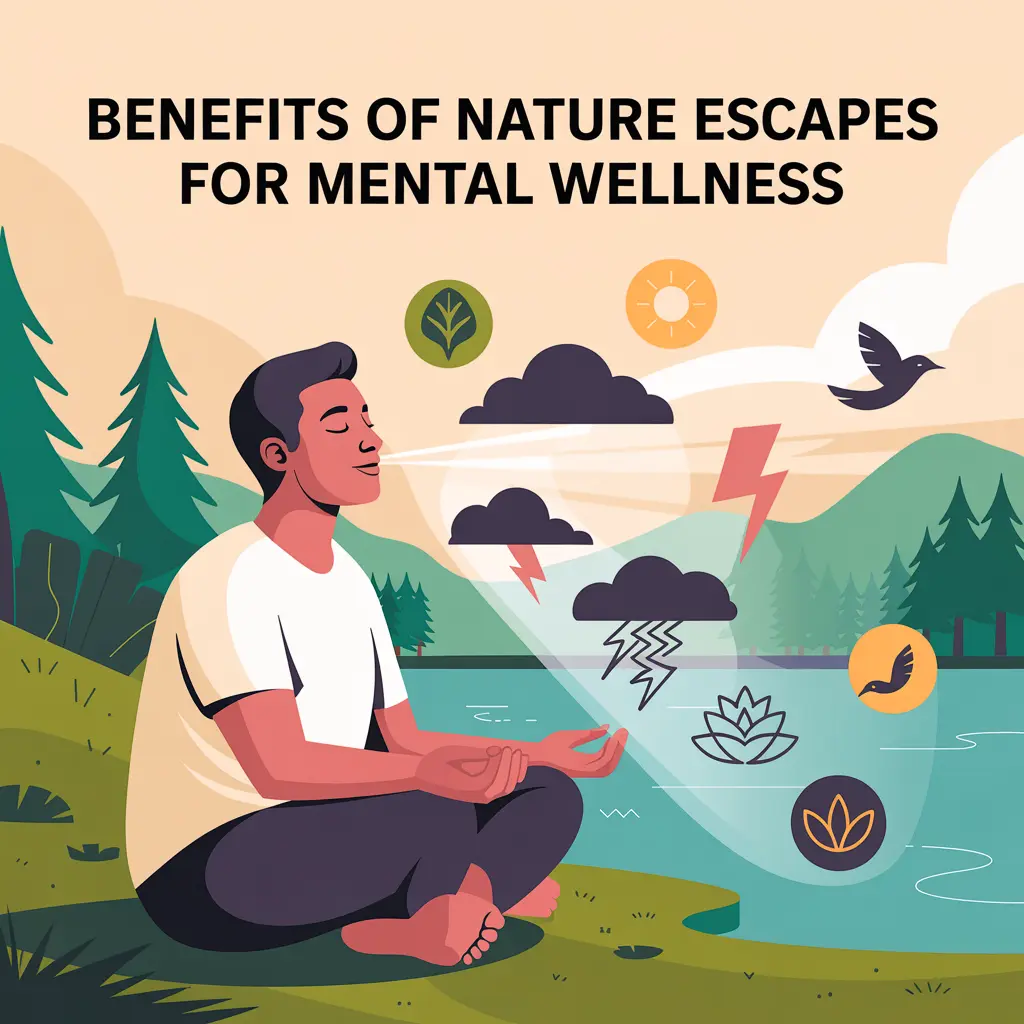
The benefits go far beyond simply feeling relaxed. Spending time outdoors has been linked to lower stress levels, improved mood, better sleep, increased creativity, sharper focus, and stronger emotional resilience. For many people, even a short getaway into nature can feel like pressing a reset button for the mind.
The beauty of nature escapes is that they don't have to involve expensive vacations or weeks away from work. A single weekend in a peaceful cabin, a scenic road trip, or a few hours exploring nearby trails can provide meaningful mental health benefits that last long after you return home.
In this guide, we'll explore why nature has such a powerful impact on mental wellness, the science behind its calming effects, and the many ways outdoor escapes can improve your emotional, psychological, and physical well-being. Whether you're planning your next cabin getaway or simply looking for healthier ways to recharge, you'll discover why reconnecting with nature may be one of the best investments you can make in yourself.
Why Nature Has Such a Powerful Effect on the Human Mind
There's something almost universal about the way people feel after spending time outdoors. A walk beneath towering trees, the sound of waves breaking against the shore, or watching a sunset from a cabin porch often leaves us feeling lighter, calmer, and more present. While it may seem like a simple emotional response, there's actually a fascinating combination of biology, psychology, and evolution behind why nature has such a profound effect on our mental well-being.
Humans Were Designed to Live Closer to Nature
For nearly all of human history, people lived surrounded by forests, rivers, mountains, and open landscapes. Modern cities, office buildings, traffic, and constant digital connectivity are relatively recent developments. Although we've adapted to these environments, our brains still respond positively to the natural settings where humanity evolved.
Natural environments tend to feel less mentally demanding than urban spaces. Instead of navigating busy intersections, loud traffic, flashing advertisements, and crowded sidewalks, the brain can relax into slower, more predictable patterns found in nature. This reduction in sensory overload allows the mind to conserve energy and recover from the constant decision-making that fills everyday life.
Many people describe this feeling as finally being able to "breathe again." While the scenery certainly plays a role, much of that relief comes from giving the brain permission to stop processing endless streams of information.
The Science Behind Green Spaces and Mental Health
Researchers have spent decades studying the relationship between nature and psychological well-being, and the findings consistently point in the same direction: spending time in green spaces supports better mental health.
Exposure to natural environments has been associated with lower levels of stress hormones, improved mood, reduced symptoms of anxiety, better concentration, and increased feelings of happiness. One explanation is known as Attention Restoration Theory, which suggests that nature allows the brain's directed attention, the type used for work, studying, driving, and problem-solving, to recover after long periods of mental effort.
Unlike city environments that constantly demand our focus, nature captures attention gently. Watching clouds drift across the sky or listening to a stream flow requires little mental effort, giving the brain an opportunity to recharge without becoming bored.
Scientists also believe that spending time outdoors stimulates the parasympathetic nervous system, often called the body's "rest and digest" mode. As this system becomes more active, heart rate slows, muscles relax, breathing becomes deeper, and feelings of calm naturally increase.
Why Even Short Nature Escapes Can Make a Difference
One of the biggest misconceptions about mental wellness is that meaningful recovery requires long vacations. In reality, even brief periods in nature can produce noticeable improvements in mood and stress levels.
A morning hike before work, an afternoon picnic in a nearby park, or a weekend cabin getaway can interrupt the cycle of constant stimulation that many people experience throughout the week. These short escapes create opportunities to mentally reset before stress has a chance to build into burnout.
Nature also encourages healthier behaviors without forcing them. People naturally walk more, spend less time looking at screens, breathe fresh air, and engage in conversations without as many distractions. These small changes work together to create lasting improvements in emotional well-being.
Perhaps most importantly, nature reminds us that life doesn't always have to move at maximum speed. The steady rhythm of rustling leaves, flowing rivers, and changing seasons offers a quiet lesson that slowing down isn't falling behind, it's often exactly what the mind needs to recover and thrive.
Reduces Everyday Stress and Anxiety
Stress has become so common that many people mistake it for a normal part of life. Constant emails, packed schedules, financial responsibilities, family obligations, and endless notifications can leave the mind in a near-permanent state of alertness. While occasional stress is a natural response to challenges, living in that heightened state for weeks or months at a time can take a serious toll on mental wellness.
Nature offers an antidote that doesn't require complicated routines or expensive treatments. Simply stepping away from the noise of daily life and into a natural environment allows the body and mind to begin unwinding almost immediately.
Lowering Cortisol Naturally
Cortisol, often referred to as the body's primary stress hormone, plays an important role in helping us respond to pressure. However, when cortisol remains elevated for extended periods, it can contribute to anxiety, poor sleep, fatigue, irritability, and difficulty concentrating.
Time spent in nature has been associated with healthier stress responses. A quiet walk beneath towering trees, sitting beside a peaceful lake, or watching a sunrise from a cabin deck can help the nervous system shift away from constant "fight or flight" mode and toward a calmer, more balanced state.
Unlike busy urban environments that continually demand attention, natural surroundings rarely overload the senses. Instead of processing traffic noise, crowded sidewalks, and flashing screens, the brain can focus on soothing sounds like birds singing, leaves rustling in the breeze, or water gently flowing over rocks. This subtle change in environment can significantly reduce feelings of tension.
Escaping the Constant Noise of Daily Life
Modern life is filled with interruptions. Phones vibrate every few minutes, social media competes for attention, and work often follows us long after office hours have ended. Even during moments of rest, many people find themselves mentally replaying conversations, deadlines, or tomorrow's to-do list.
Nature creates physical distance from many of these stressors while encouraging mental distance as well.
When you're hiking through a forest trail, watching wildlife, or enjoying the silence outside a cozy cabin, your attention naturally shifts toward your surroundings instead of your worries. This doesn't mean problems disappear, but they often begin to feel more manageable when viewed from a calmer mental state.
Many travelers notice that by the second day of a nature retreat, they instinctively check their phones less often, sleep more deeply, and feel less urgency to multitask. Without consciously trying, their minds begin adopting a slower, healthier rhythm.
Finding Calm Through Simple Outdoor Experiences
One of the greatest strengths of nature is that it doesn't demand perfection. You don't need advanced hiking skills, expensive outdoor gear, or a carefully planned itinerary to experience its calming effects.
Some of the most restorative moments happen during the simplest activities:
- Sitting quietly with a cup of coffee while watching the sunrise.
- Listening to rain fall on a cabin roof.
- Walking a wooded trail without worrying about reaching a destination.
- Watching clouds drift across a mountain skyline.
- Reading a book in a hammock surrounded by trees.
- Enjoying an evening campfire beneath a sky full of stars.
These experiences encourage mindfulness naturally. Rather than forcing yourself to relax, your surroundings gently invite you to slow down, breathe deeply, and appreciate the present moment.
Over time, making nature escapes a regular habit can build greater resilience to everyday stress. Instead of waiting until burnout forces you to take a break, periodic outdoor retreats help release accumulated tension before it becomes overwhelming. The result isn't just temporary relaxation, it's a healthier, more balanced approach to managing life's inevitable pressures.
Improves Mood and Emotional Well-Being
Few experiences can lift your spirits as naturally as spending time outdoors. Whether it's the warmth of the morning sun, the crisp scent of pine trees, or the peaceful stillness of a mountain lake, nature has a remarkable way of replacing mental heaviness with a renewed sense of optimism. While everyone experiences emotional ups and downs, regular nature escapes can help create a more stable, positive outlook on life.
Unlike quick mood boosters that fade within hours, the emotional benefits of spending time in natural surroundings often linger long after the trip ends. Many people return from a weekend cabin getaway feeling refreshed, more patient, and better equipped to handle the challenges waiting for them back home.
How Fresh Air Changes Your Outlook
Fresh air does more than simply feel pleasant, it can influence how energized and alert you feel throughout the day. After spending hours indoors under artificial lighting and recycled air, stepping outside often creates an immediate sense of relief.
As you breathe more deeply, your body naturally begins to relax. Combined with the sights and sounds of nature, this simple change in environment can help reduce feelings of irritability, frustration, and emotional fatigue.
Outdoor environments also encourage movement without making it feel like exercise. Whether you're strolling along a lakeside path, exploring forest trails, or wandering through a scenic park, gentle physical activity releases endorphins that contribute to improved mood and emotional balance.
Even sitting quietly outside can be surprisingly restorative. Watching wildlife, listening to birds, or feeling a cool breeze against your skin helps redirect attention away from stressful thoughts and toward the present moment.
Sunlight, Vitamin D, and Happiness
Natural sunlight plays an important role in emotional well-being. Moderate exposure to daylight helps regulate the body's internal clock while supporting healthy vitamin D production, both of which contribute to improved mood.
Sunlight also influences serotonin, a neurotransmitter often associated with feelings of happiness, calmness, and emotional stability. That's one reason why people frequently feel more upbeat after spending time outdoors on bright, pleasant days.
Of course, balance is important. Protecting your skin with sunscreen, wearing appropriate clothing, and avoiding excessive midday sun ensures you can enjoy these benefits safely while reducing the risk of sun damage.
Replacing Mental Fatigue with Positive Energy
Mental fatigue doesn't always come from working too hard, it often comes from never fully disconnecting. Constant notifications, multitasking, and information overload leave many people feeling emotionally depleted, even after a full night's sleep.
Nature offers a different kind of energy. Instead of stimulating the mind with endless inputs, it restores it through calm, simplicity, and gentle engagement. The peaceful rhythm of flowing water, rustling leaves, or distant birdsong creates an environment where your thoughts can settle naturally.
Many travelers notice subtle emotional changes during a nature retreat. They laugh more easily, feel more patient with loved ones, and experience a renewed appreciation for small moments that often go unnoticed during busy weeks.
Over time, these repeated experiences can reshape the way you respond to everyday challenges. Rather than feeling emotionally overwhelmed by every setback, regular time in nature helps cultivate a steadier mindset, one that approaches problems with greater patience, gratitude, and resilience.
The result isn't constant happiness, but something even more valuable: a healthier emotional foundation that makes it easier to enjoy life's good moments while navigating the difficult ones with greater confidence.
Helps Clear Mental Clutter
Have you ever felt like your mind had dozens of browser tabs open at once? You're thinking about tomorrow's meeting, replying to messages, remembering something you forgot to do yesterday, planning dinner, and wondering whether you should finally book that vacation, all at the same time. That constant mental traffic is what many people experience as mental clutter, and over time, it becomes exhausting.
Nature provides something increasingly difficult to find in modern life: room to think. By stepping away from screens, deadlines, and endless streams of information, your mind finally gets the opportunity to slow down, organize itself, and regain clarity.
Why Quiet Spaces Improve Thinking
Silence has become a rare commodity. Even when we're alone, podcasts, videos, music, and notifications often fill every available moment. While there's nothing wrong with staying informed or entertained, the brain also needs periods of quiet to process information and recover.
Natural environments offer that quiet without feeling empty. Instead of complete silence, you're surrounded by gentle, calming sounds, the rustle of leaves overhead, birds calling from nearby branches, the soft rush of a river, or rain tapping against a cabin roof. These sounds create a peaceful backdrop that allows your thoughts to settle rather than compete for attention.
It's no surprise that many people find their clearest thinking happens while hiking a forest trail, sitting beside a lake, or watching the sunrise from a porch. Without constant interruptions, the mind can reflect, connect ideas, and solve problems more naturally.
Reducing Information Overload
The average day bombards us with emails, breaking news, social media updates, advertisements, text messages, and countless decisions. While each interruption may seem small, together they create a level of cognitive overload that leaves many people feeling mentally drained before the day is over.
A nature escape acts like a reset button.
Instead of processing hundreds of competing inputs, your brain focuses on a much simpler environment. You notice the changing colors of the trees, the pattern of clouds moving across the sky, or the sound of water flowing over rocks. These observations require very little mental effort, allowing your attention to recover from the constant demands of modern life.
Many people also discover that once they're away from their usual routines, they stop reaching for their phones every few minutes. This break from digital stimulation creates additional mental space, making it easier to feel present instead of distracted.
Making Better Decisions After Time Outdoors
One of the most overlooked benefits of spending time in nature is improved decision-making. When your mind is overloaded, even simple choices can feel overwhelming. You may overthink problems, struggle to prioritize tasks, or feel emotionally reactive when faced with unexpected challenges.
After spending time outdoors, many of those same decisions become easier.
With fewer distractions competing for your attention, your thoughts become more organized. You begin to see problems from a broader perspective instead of getting caught in every small detail. Solutions that seemed impossible during a stressful workweek often become surprisingly clear after a peaceful walk or a relaxing weekend in nature.
This mental clarity also encourages better long-term thinking. Rather than constantly reacting to immediate pressures, you're more likely to make thoughtful decisions that align with your goals, relationships, and overall well-being.
Perhaps that's one of nature's greatest gifts, it doesn't simply help you escape your thoughts. It gives you the space to understand them, organize them, and return to everyday life with a clearer mind and a calmer perspective.
Improves Sleep Quality Naturally
A good night's sleep is one of the foundations of mental wellness, yet it's something many people struggle to achieve. Racing thoughts, late-night screen time, irregular schedules, and everyday stress can make it difficult to fall asleep or stay asleep. The result is often a cycle of fatigue, reduced focus, irritability, and heightened anxiety that carries into the next day.
Nature offers a simple but powerful way to break that cycle. Spending time outdoors helps your body reconnect with natural rhythms that modern lifestyles often disrupt, making it easier to unwind at night and wake up feeling genuinely refreshed.
Resetting Your Internal Clock
Your body operates on a natural 24-hour cycle known as the circadian rhythm. This internal clock influences when you feel awake, when you become tired, and even how well your body functions throughout the day.
Unfortunately, artificial lighting, late-night scrolling, and spending most of the day indoors can confuse that rhythm. Bright screens late in the evening signal to the brain that it's still daytime, delaying the release of melatonin, the hormone that prepares your body for sleep.
Time spent outside helps reset this cycle. Morning sunlight is especially effective because it reinforces your body's natural wake-up signal, making it easier to feel alert during the day and sleepy when nighttime arrives. Even a few hours outdoors during a weekend getaway can help restore a healthier sleep pattern.
The Relationship Between Nature and Better Sleep
Nature supports better sleep in several ways at once. Fresh air, natural light, gentle physical activity, and reduced stress all work together to prepare your body for restful sleep.
Unlike a busy day spent moving between offices, vehicles, and screens, time in nature often includes activities such as hiking, kayaking, fishing, or simply walking scenic trails. These forms of movement help your body expend energy naturally without the intensity that can sometimes leave you feeling overstimulated.
At the same time, the calming atmosphere of forests, lakes, and mountains helps quiet the mind. When stress levels decrease, it's easier to let go of racing thoughts that often keep people awake long after they've gone to bed.
Many travelers also notice fewer nighttime distractions during nature escapes. Without the constant temptation to check emails or scroll through social media, evenings become slower and more intentional, allowing the body to transition into sleep more naturally.
Why Cabin Trips Often Lead to Restful Nights
One reason cabin vacations are so restorative is that they naturally encourage healthier evening routines. After a day spent outdoors, people often gather around a campfire, enjoy a quiet dinner, play board games, read a book, or simply sit on the porch listening to the sounds of nature.
These low-stimulation activities create the perfect environment for winding down.
Instead of ending the day with bright screens and endless information, you're surrounded by darkness, fresh air, and peaceful silence. The absence of city noise, traffic, and constant digital interruptions allows your nervous system to fully relax before bedtime.
The sleeping environment itself also plays a role. Crisp mountain air, comfortable cabin interiors, and the gentle sounds of rain, wind, or nearby streams can make falling asleep feel almost effortless. Many people are surprised by how deeply they sleep during a nature retreat and how energized they feel the following morning.
Better sleep doesn't just improve physical health, it strengthens emotional resilience, enhances concentration, boosts mood, and reduces stress. That's why one peaceful weekend immersed in nature often leaves people feeling as though they've been away for far longer. Sometimes, the greatest luxury a nature escape provides isn't adventure at all, it's the rare opportunity to experience truly restorative rest.
Encourages Mindfulness Without Feeling Like Meditation
The word mindfulness often brings to mind sitting cross-legged in complete silence, following guided breathing exercises, or setting aside dedicated time to meditate. While those practices can be incredibly beneficial, they're not for everyone. Many people struggle to quiet their minds or simply don't enjoy structured meditation.
Nature offers a different path.
Instead of asking you to focus on being mindful, it naturally draws your attention to the present moment. Without even realizing it, you begin noticing the world around you rather than dwelling on yesterday's mistakes or tomorrow's responsibilities. It's mindfulness that feels effortless because it happens through experience rather than intention.
Being Present in the Moment
One of the biggest challenges of modern life is that our minds are rarely where our bodies are. We might be eating dinner while thinking about work, walking the dog while checking emails, or spending time with family while scrolling through social media.
Nature gently interrupts that pattern.
When you're hiking through a forest, standing beside a waterfall, or watching mist roll across a mountain valley, your senses become fully engaged. You notice the scent of pine trees, the texture of the trail beneath your feet, the cool breeze against your skin, and the rhythm of birds singing overhead.
These small details anchor your attention in the present. Instead of replaying stressful conversations or worrying about your growing to-do list, your mind becomes absorbed by what's happening right now.
This shift may seem simple, but it can have a profound effect on mental wellness. Living in the present, even for a short while, gives your brain a break from the endless cycle of overthinking.
Slowing Down Without Trying Too Hard
Many relaxation techniques require conscious effort. You're told to breathe a certain way, clear your thoughts, or practice specific exercises. Nature takes a gentler approach.
The pace of the natural world is inherently slower. Rivers don't rush, trees don't compete, and sunsets unfold without urgency. Spending time in these environments often encourages you to match that rhythm without even noticing.
You begin walking more slowly, lingering a little longer over your morning coffee, or sitting quietly just to enjoy the view. Activities that might have felt unproductive in everyday life suddenly become the highlight of your day.
This slower pace gives your nervous system permission to relax. Your breathing deepens, your muscles loosen, and your thoughts become less frantic. Rather than forcing calm, nature creates the conditions where calm can emerge on its own.
Appreciating Simple Experiences Again
One of the most rewarding aspects of a nature escape is rediscovering joy in things that don't require money, technology, or constant entertainment.
Watching deer cross a meadow at sunrise.
Skipping stones across a still lake.
Listening to rain fall on a cabin roof.
Cooking dinner over a campfire.
Looking up at a sky filled with stars instead of city lights.
These moments might seem ordinary, yet they're often the ones people remember most vividly after returning home. They remind us that contentment doesn't always come from doing more, it often comes from noticing more.
As this appreciation for simple experiences grows, many people find themselves carrying it into everyday life. Morning walks become more enjoyable. Weekend park visits feel more meaningful. Even a few quiet minutes spent in a backyard or garden begin to offer moments of peace.
Mindfulness doesn't have to involve complicated routines or perfect concentration. Sometimes it's as simple as stepping outside, taking a deep breath, and allowing nature to remind you that life isn't meant to be lived at full speed every moment of every day.
Boosts Creativity and Problem Solving
Have you ever noticed that your best ideas rarely arrive while you're staring at a computer screen? Instead, they tend to appear during a walk, while driving through scenic countryside, sitting beside a lake, or watching a campfire burn. That's no coincidence.
Creativity doesn't thrive under constant pressure. It flourishes when the mind has room to wander, connect ideas, and explore possibilities without the constant interruption of emails, notifications, and deadlines. Nature creates the perfect environment for this kind of thinking, making it one of the most effective places to spark fresh ideas and solve difficult problems.
Why Your Best Ideas Often Happen Outside
Modern work demands intense concentration for hours at a time. Whether you're analyzing spreadsheets, writing reports, attending meetings, or managing projects, your brain spends much of the day in focused mode.
While this type of attention is essential for productivity, it can eventually become mentally exhausting. The more you force yourself to concentrate, the harder it becomes to think creatively.
Nature provides the opposite experience.
Instead of demanding your attention, it gently captures it. Watching birds glide across the sky, following the movement of a flowing stream, or listening to the wind move through the trees gives your brain a chance to relax without becoming disengaged.
This relaxed state encourages creative thinking because your mind is free to make unexpected connections between ideas. Problems that once seemed complicated often begin to feel surprisingly manageable when you're no longer forcing yourself to solve them.
Giving Your Brain Room to Wander
Daydreaming often gets a bad reputation, but it's actually an important part of healthy thinking. When your mind is allowed to wander, it processes experiences, organizes information, and explores new possibilities behind the scenes.
Nature naturally encourages this mental freedom.
Unlike environments filled with constant demands for attention, outdoor spaces leave room for reflection. A peaceful walk through the woods doesn't require you to make hundreds of rapid decisions. That extra mental capacity allows your thoughts to drift in productive ways.
This is why writers, artists, entrepreneurs, designers, and innovators have long sought inspiration in natural settings. Many breakthrough ideas emerge not during intense brainstorming sessions but during quiet moments spent away from the pressures of work.
Even if you don't consider yourself a creative person, this mental wandering can help you discover better solutions to everyday challenges, from improving your work routine to navigating personal relationships.
Returning Home with a Fresh Perspective
Sometimes the biggest benefit of a nature escape isn't finding new answers, it's seeing old problems differently.
Distance creates perspective.
When you're immersed in daily routines, every challenge can feel urgent and overwhelming. Stepping away for a weekend allows your mind to reset, making it easier to separate what's truly important from what only feels important in the moment.
Many people return from a cabin getaway with renewed motivation, clearer priorities, and practical solutions that never occurred to them while sitting behind a desk. A difficult decision may suddenly feel obvious. A stressful situation may seem less intimidating. Goals that once felt overwhelming become easier to break into manageable steps.
This renewed perspective isn't magic; it's the result of giving your brain the space it needs to think clearly.
Whether you're building a business, working through a career decision, tackling a creative project, or simply trying to improve your everyday life, spending time in nature can become one of your most valuable thinking tools. Sometimes, the fastest way to move forward isn't by working harder, it's by stepping outside, slowing down, and allowing your mind the freedom to create, reflect, and rediscover its natural clarity.
Strengthens Relationships and Social Connections
Nature escapes don't just improve your relationship with yourself, they can also deepen your relationships with the people around you. Whether you're traveling with a partner, family, close friends, or even meeting new people on outdoor adventures, natural settings create opportunities for more meaningful interactions.
Away from busy schedules and constant digital distractions, conversations become less rushed, shared experiences feel more memorable, and people often reconnect in ways that are difficult to achieve during everyday life.
Spending Quality Time Without Screens
One of the biggest barriers to meaningful connection today is technology. While smartphones help us stay connected across long distances, they can also distract us from the people sitting right beside us.
A weekend in nature naturally reduces many of these interruptions.
With limited reasons to check emails or scroll through social media, people become more engaged with each other. Meals are enjoyed without notifications buzzing every few minutes, hikes encourage conversation instead of screen time, and evenings around a campfire often lead to stories, laughter, and genuine connection.
Even simple activities become opportunities to bond. Preparing breakfast together in a cabin kitchen, exploring a new trail, or watching the sunset from a porch creates shared moments that feel far more meaningful than spending another evening in front of separate screens.
These uninterrupted experiences strengthen relationships because they allow people to give each other something increasingly valuable: their full attention.
Meaningful Conversations Around Nature
There's something about natural surroundings that encourages deeper conversations.
Without the background noise of traffic, crowded restaurants, or busy offices, people often feel more comfortable opening up. A leisurely walk through the woods or a quiet afternoon beside a lake creates an atmosphere where conversations flow naturally, without pressure or distraction.
Many couples find that nature getaways provide the perfect opportunity to reconnect after hectic workweeks. Families often discover that children are more engaged and curious outdoors, leading to richer conversations and shared discoveries. Friends, meanwhile, can strengthen their bonds simply by experiencing new adventures together.
Nature also creates moments of comfortable silence. Unlike awkward pauses in everyday settings, sitting quietly while watching wildlife or listening to a flowing stream doesn't require constant conversation. Simply sharing the experience can strengthen your connection just as much as talking.
Creating Shared Memories That Last
When people look back on their favorite vacations, they rarely remember checking emails or scrolling through social media. Instead, they remember the unexpected moments.
Watching the sunrise together from a mountaintop.
Laughing after getting caught in a surprise rain shower.
Roasting marshmallows around a campfire.
Spotting wildlife on an early morning hike.
Enjoying coffee on a cabin porch while mist rolls across the valley.
These experiences become stories that are retold for years because they involve emotion, adventure, and presence, three ingredients that make memories stick.
Nature also encourages teamwork. Navigating hiking trails, setting up a picnic, building a campfire, or preparing meals together gives everyone a shared purpose. These small acts of cooperation strengthen trust and create a sense of accomplishment that carries beyond the trip itself.
Perhaps the greatest gift of a nature escape is that it reminds us relationships aren't built through grand gestures alone. They're built through time, attention, and shared experiences. By slowing down and stepping away from the distractions of everyday life, you create space for the kind of genuine connection that supports both stronger relationships and better mental well-being.
Builds Emotional Resilience
Life is full of unexpected challenges. Deadlines change, relationships evolve, careers take unexpected turns, and setbacks arrive when we least expect them. While it's impossible to eliminate stress entirely, we can strengthen our ability to respond to it. That ability is known as emotional resilience, the capacity to recover, adapt, and keep moving forward even when life feels difficult.
Nature has a quiet but powerful way of developing that resilience. It doesn't erase problems, but it changes how we experience them. By slowing our pace, shifting our perspective, and encouraging reflection, time outdoors helps build the emotional strength needed to navigate life's ups and downs with greater confidence.
Learning Patience Through Nature
The natural world operates on its own schedule.
Trees don't grow overnight. Rivers carve valleys over centuries. Wildflowers bloom when conditions are right, and seasons change gradually rather than instantly. Spending time in these environments reminds us that not everything worthwhile happens immediately.
This lesson is especially valuable in a world built around instant gratification. We're used to receiving information within seconds, ordering products with a few taps, and expecting quick results in almost every area of life.
Nature gently challenges that mindset.
Whether you're waiting to spot wildlife, hiking toward a scenic overlook, or watching the sun slowly disappear below the horizon, you're encouraged to appreciate the journey instead of rushing toward the outcome. That patience often carries back into everyday life, making it easier to handle delays, uncertainty, and long-term goals without becoming overwhelmed.
Developing a Healthier Perspective on Problems
When you're immersed in everyday responsibilities, even relatively small problems can begin to feel enormous. A difficult email, a missed deadline, or a stressful conversation can dominate your thoughts for hours or even days.
Stepping into nature often changes that perspective.
Standing beneath towering trees, looking across a vast mountain range, or gazing at an endless lake reminds us that our lives exist within something much larger. This isn't about minimizing genuine challenges, it's about recognizing that difficult moments are only one part of a much bigger picture.
Many people find that concerns which once felt all-consuming become easier to manage after spending time outdoors. The problems themselves may remain, but they no longer carry the same emotional weight.
This broader perspective encourages calmer thinking, making it easier to respond thoughtfully instead of reacting impulsively.
Feeling More Grounded During Difficult Times
Nature has an extraordinary ability to provide stability when life feels uncertain.
The rhythm of waves reaching the shore, the steady movement of clouds across the sky, and the dependable cycle of sunrise and sunset remind us that change is a natural part of life. Even during periods of uncertainty, the natural world continues its quiet rhythm.
That consistency can be deeply reassuring.
When you're facing career challenges, personal loss, or periods of burnout, spending time outdoors creates space to process emotions without constant distractions. Instead of suppressing difficult feelings, nature offers an environment where they can be acknowledged with greater clarity and self-compassion.
Many people describe leaving a nature retreat not because every problem has been solved, but because they feel stronger, calmer, and more capable of facing whatever comes next.
Emotional resilience isn't about avoiding hardship or pretending everything is fine. It's about developing the confidence to handle challenges without losing your sense of balance. Regular nature escapes help cultivate that confidence by reminding us to slow down, adapt to change, and trust that difficult seasons, like those in nature itself, eventually give way to new beginnings.
Encourages Healthier Daily Habits
One of the most underrated benefits of spending time in nature is how easily it encourages healthier choices. Unlike strict wellness programs or rigid routines that can feel difficult to maintain, nature gently nudges you toward habits that support both your physical and mental well-being.
During a nature escape, many healthy behaviors happen almost automatically. You move more, spend less time in front of screens, breathe fresh air, eat more intentionally, and give your mind regular opportunities to rest. Even better, these habits often continue after you return home, creating positive changes that extend far beyond your vacation.
More Walking, Less Sitting
Modern lifestyles involve an incredible amount of sitting. Many people spend hours at a desk, commute by car, relax on the couch in the evening, and rarely move unless they're intentionally exercising.
Nature changes that without making movement feel like a chore.
Exploring hiking trails, walking around a lake, gathering firewood, visiting scenic overlooks, or simply wandering through a campground all increase your daily activity naturally. Instead of counting steps or watching the clock, you're focused on enjoying the experience.
This gentle movement benefits both body and mind. Regular walking supports cardiovascular health, improves circulation, boosts energy levels, and releases endorphins that help reduce stress and improve mood.
Perhaps most importantly, moving through beautiful surroundings makes physical activity something you look forward to rather than something you feel obligated to do.
Better Eating During Nature Retreats
Nature escapes often inspire a more mindful approach to food.
Instead of grabbing meals between meetings or eating while scrolling through your phone, you're more likely to slow down and truly enjoy what you're eating. Whether it's breakfast on a cabin deck, lunch during a scenic hike, or dinner cooked over a campfire, meals become experiences rather than interruptions.
Many travelers also find themselves choosing simpler, fresher foods during outdoor getaways. Grilled vegetables, fresh fruit, hearty soups, sandwiches, and home-cooked meals often replace heavily processed convenience foods.
Even when enjoying comfort foods like s'mores or barbecue, there's usually a greater sense of balance because meals are shared, eaten more slowly, and paired with active days spent outdoors.
Mindful eating doesn't mean following strict rules, it means paying attention to your food, appreciating it, and giving your body the nourishment it needs.
Breaking Unhealthy Digital Habits
Few habits contribute to mental fatigue more than constant screen time.
Many of us instinctively reach for our phones during every spare moment, while waiting in line, eating meals, watching television, or even walking outside. Over time, this constant connection leaves little room for genuine rest.
Nature offers a welcome break.
When you're surrounded by forests, lakes, mountains, or open skies, the urge to constantly check your device often begins to fade. Instead of scrolling through someone else's experiences, you're fully immersed in your own.
You may notice yourself reading a book for longer than usual, enjoying conversations without interruptions, watching the stars instead of streaming another episode, or simply sitting quietly without feeling the need to be entertained.
These moments help retrain your attention span and remind you that relaxation doesn't always require a screen.
Many people return home with a healthier relationship with technology, choosing to spend more time outdoors, establishing phone-free routines, or setting aside moments each day to disconnect.
The true value of a nature escape isn't just the healthy habits you practice while you're away, it's the realization that many of those habits can become part of everyday life. Small, consistent changes like walking more, eating with intention, and reducing screen time can have a lasting impact on your mental wellness, helping you feel calmer, healthier, and more balanced long after the trip has ended.
Why Cabin Getaways Are Perfect for Mental Wellness
Not every nature escape is the same. While beaches, national parks, and camping trips all offer unique benefits, cabin getaways strike a balance that's hard to beat. They combine the restorative power of nature with the comfort of a private retreat, allowing you to unplug without giving up the conveniences that make a vacation enjoyable.
Whether you're planning a romantic weekend, a solo retreat, or a family vacation, cabins provide an environment designed for relaxation. Surrounded by forests, mountains, lakes, or rolling countryside, they make it easier to disconnect from everyday pressures and reconnect with yourself.
Peaceful Surroundings That Promote Relaxation
Location is one of the biggest reasons cabins are so effective for improving mental wellness. Most cabins are intentionally situated away from busy city centers, placing guests in quieter environments where the sounds of traffic and crowded streets are replaced by birdsong, rustling trees, and flowing water.
This peaceful atmosphere has an almost immediate effect on the mind.
Instead of waking to car horns and construction noise, you might hear rain tapping gently against the roof or birds greeting the sunrise. During the day, scenic views invite you to slow down, while evenings often end beneath star-filled skies rather than bright city lights.
These natural surroundings create the ideal environment for reducing stress, calming anxious thoughts, and simply enjoying the rare luxury of uninterrupted peace.
Comfortable Spaces Without City Distractions
One of the advantages cabins have over traditional camping is comfort.
You can enjoy the beauty of the outdoors while still having a cozy bed, a warm shower, a fully equipped kitchen, comfortable seating, and protection from changing weather. This makes cabin vacations accessible to travelers who want to experience nature without sacrificing convenience.
The cozy atmosphere itself also contributes to mental wellness.
Soft lighting, wooden interiors, crackling fireplaces, oversized windows overlooking scenic landscapes, and spacious porches all encourage slower living. Instead of rushing from one activity to another, you're invited to linger over breakfast, curl up with a good book, or simply watch the scenery change throughout the day.
Without the constant distractions of urban life, even ordinary moments begin to feel restorative.
Combining Comfort with Outdoor Adventure
Cabin vacations offer the best of both worlds.
If you're feeling adventurous, you can spend the day hiking mountain trails, kayaking across peaceful lakes, fishing, cycling scenic routes, or exploring nearby forests. When you're ready to slow down, your cabin provides a comfortable place to recharge before heading back outside.
This flexibility makes cabins suitable for nearly every type of traveler.
Couples can enjoy quiet evenings by the fireplace and morning coffee with breathtaking views. Families can explore nature together before returning for board games and home-cooked meals. Solo travelers can embrace solitude, journal on the porch, or spend uninterrupted hours reading, reflecting, and relaxing.
Unlike vacations that revolve around packed itineraries, cabin getaways encourage you to move at your own pace. Some days might be filled with outdoor adventures, while others are spent doing almost nothing at all, and that's perfectly okay.
Ultimately, that's what makes cabin escapes so valuable for mental wellness. They remove many of the pressures that accompany everyday life while surrounding you with the calming influence of nature. Instead of returning home exhausted from an over-scheduled trip, you leave feeling rested, recharged, and mentally prepared to face everyday life with renewed energy and perspective.
Simple Ways to Bring More Nature Into Everyday Life
You don't have to live beside a mountain range or spend every weekend in a secluded cabin to experience the mental wellness benefits of nature. While longer getaways can be incredibly restorative, small and consistent moments outdoors often have just as much impact over time.
The key is making nature a regular part of your routine instead of something you only experience during vacations. By intentionally creating opportunities to spend time outside, you can reduce stress, improve your mood, and build healthier habits throughout the year.
Daily Walks in Local Parks
One of the easiest ways to reconnect with nature is by taking a daily walk.
It doesn't have to be a strenuous hike or a long adventure. A 20- to 30-minute walk through a nearby park, botanical garden, nature reserve, or tree-lined neighborhood can provide a welcome break from work and everyday responsibilities.
Instead of rushing through the walk, try slowing your pace. Notice the changing seasons, listen to birds, observe different plants, or simply enjoy the fresh air without reaching for your phone every few minutes.
If your schedule is busy, consider taking a short walk during your lunch break or after dinner. These small outdoor breaks can help reset your mind and make the rest of the day feel more manageable.
Weekend Nature Escapes
Sometimes all you need is a change of scenery.
Planning occasional weekend trips to forests, lakes, beaches, mountains, or cozy cabins gives your mind the opportunity to fully disconnect from daily routines. Even one or two nights away can provide the mental reset many people don't realize they need.
The beauty of these trips is that they don't have to be expensive or complicated. A nearby state park, scenic campground, countryside cottage, or lakeside cabin can deliver many of the same mental wellness benefits as a longer vacation.
Try scheduling these escapes throughout the year instead of waiting until you feel completely burned out. Treat them as part of your self-care routine rather than a reward for surviving months of stress.
Creating Nature-Friendly Spaces at Home
Your connection with nature doesn't have to end when you return home.
Bringing elements of the outdoors into your living space can help maintain the sense of calm you experienced during your getaway. Houseplants, fresh flowers, natural wood furniture, large windows that let in daylight, or a small herb garden can all make your environment feel more peaceful.
If you have access to a backyard, balcony, or patio, consider creating a dedicated outdoor relaxation area. A comfortable chair, a few plants, soft lighting, and a warm drink can transform an ordinary evening into a quiet moment of restoration.
Even simple habits can make a difference. Open your windows to let fresh air circulate. Drink your morning coffee outside instead of indoors. Read a book under a tree. Watch the sunset instead of watching another episode on television.
The goal isn't to recreate an entire forest at home, it's to build a lifestyle that includes regular moments of connection with the natural world.
Mental wellness isn't achieved through one perfect vacation or a single weekend retreat. It's built through small, intentional choices made consistently over time. By incorporating more nature into your everyday life, you create ongoing opportunities for your mind to rest, recover, and thrive, no matter where you live or how busy your schedule becomes.
Common Mistakes That Prevent People from Relaxing Outdoors
Simply being surrounded by nature doesn't automatically guarantee you'll feel relaxed. Many people unintentionally bring the same habits that cause stress at home into their outdoor adventures. Instead of returning refreshed, they come back feeling like they need another vacation.
The good news is that these habits are easy to recognize and even easier to change. By avoiding a few common mistakes, you can get far more out of every nature escape and experience the mental wellness benefits you're hoping for.
Staying Connected to Work
One of the quickest ways to interrupt the calming effects of nature is by staying mentally tied to the office.
Answering work emails every hour, joining unexpected video meetings, or constantly checking team messages prevents your brain from fully switching into recovery mode. Even if you're sitting beside a peaceful lake, your mind is still operating as though you're at your desk.
Whenever possible, set clear boundaries before your trip begins. Let colleagues know you'll be unavailable, finish urgent tasks ahead of time, and silence non-essential notifications on your phone.
If you must stay reachable, schedule one brief check-in each day instead of responding to every message the moment it arrives. Giving yourself uninterrupted time away from work allows your mind to recharge instead of remaining trapped in a constant cycle of stress.
Overplanning Every Minute
It's natural to want to make the most of a getaway, especially if you don't travel often. However, trying to fit every attraction, trail, restaurant, and activity into a single weekend can leave you feeling rushed instead of relaxed.
Nature isn't something to race through.
Leave room in your schedule for spontaneity. Spend an extra hour watching wildlife. Sit quietly on the porch with a cup of coffee. Take a scenic drive simply because the road looks inviting. Allow yourself to change plans if you're enjoying where you already are.
Some of the most memorable moments during a nature escape happen when nothing is scheduled at all.
A slower itinerary also gives your body and mind the opportunity to fully unwind, making the trip feel restorative rather than exhausting.
Treating Nature Like Another Checklist
Modern life often revolves around productivity. We measure success by how much we accomplish, how many places we visit, or how efficiently we complete our goals. Unfortunately, that mindset can follow us into nature.
Instead of appreciating the experience, some travelers become focused on checking off hiking trails, taking the perfect social media photo, or squeezing in as many activities as possible.
Nature isn't a competition.
You don't have to climb the highest mountain, hike the longest trail, or fill your camera roll to have a meaningful experience. Sometimes the most restorative moments come from doing very little, reading beneath a tree, listening to birds sing, watching the sunset, or simply enjoying the silence.
Giving yourself permission to slow down is one of the greatest gifts you can offer your mental health.
At the heart of every successful nature escape is intention. The goal isn't to be busy in a different location, it's to create space for your mind to rest. By disconnecting from work, embracing a slower pace, and letting go of the need to constantly accomplish something, you'll discover that nature has been offering exactly what you needed all along: the opportunity to breathe, recharge, and return home feeling genuinely renewed.
Frequently Asked Questions About Nature and Mental Wellness
How long should I spend in nature to experience mental health benefits?
You don't need to spend weeks in the wilderness to notice a difference. Even 20 to 30 minutes in a natural setting can help reduce stress, improve your mood, and provide a mental reset. Regular exposure is often more beneficial than waiting for an occasional long vacation. Daily walks in a local park, weekend hikes, or short cabin getaways can all contribute to better mental wellness over time.
Can a weekend cabin trip really reduce stress?
Yes. A weekend cabin trip can provide enough time to step away from everyday responsibilities, reduce digital distractions, and reconnect with nature. Spending two or three days in peaceful surroundings often helps lower stress levels, improve sleep, and restore mental energy. While it won't eliminate every source of stress, many people return feeling calmer, more focused, and emotionally refreshed.
Is being near water better than forests for relaxation?
Both environments offer excellent mental wellness benefits, and the best choice often comes down to personal preference. Forests provide shade, quiet surroundings, and opportunities for hiking and wildlife viewing, while lakes, rivers, and oceans create soothing sounds and open landscapes that many people find deeply relaxing. If possible, destinations that combine forests and water can offer the best of both worlds.
Do solo nature trips improve mental wellness?
Absolutely. Solo nature escapes provide uninterrupted time for reflection, relaxation, and self-discovery. Without the demands of conversation or group schedules, many people find it easier to process their thoughts, journal, read, meditate, or simply enjoy the peaceful surroundings. Solo trips can also build confidence, independence, and emotional resilience while allowing you to travel entirely at your own pace.
What activities are best for improving mental health outdoors?
The most beneficial activities are often the simplest. Walking, hiking, birdwatching, kayaking, fishing, photography, picnicking, forest bathing, gardening, and quietly sitting beside a lake or campfire can all promote relaxation and reduce stress. The goal isn't to stay busy, it's to engage with nature in a way that helps you slow down, be present, and enjoy your surroundings.
Can nature help with burnout from work?
Nature can be a valuable part of recovering from burnout, especially when combined with healthy lifestyle changes and appropriate support. Spending time outdoors helps reduce mental fatigue, encourages relaxation, improves sleep quality, and provides a break from the constant stimulation of work. While nature isn't a substitute for professional care when needed, regular outdoor experiences can play an important role in restoring balance and preventing chronic stress from building over time.
Conclusion
In a world that rarely slows down, spending time in nature has become more than a pleasant way to pass the weekend, it's one of the simplest and most effective ways to support your mental well-being. Whether you're walking through a quiet forest, relaxing beside a peaceful lake, or enjoying the comfort of a cozy cabin surrounded by mountains, nature provides something modern life often cannot: the space to breathe, reflect, and recharge.
Throughout this guide, we've explored how nature escapes can reduce stress and anxiety, improve mood, clear mental clutter, promote better sleep, encourage mindfulness, boost creativity, strengthen relationships, build emotional resilience, and inspire healthier daily habits. These benefits don't require expensive vacations or elaborate travel plans. Even small, consistent moments spent outdoors can have a lasting impact on how you think, feel, and respond to everyday challenges.
The beauty of reconnecting with nature is that there's no perfect way to do it. Your escape might be a weekend cabin retreat, a morning walk through your local park, a hike with friends, or simply sitting outside with a cup of coffee while listening to birdsong. What matters most is creating opportunities to step away from constant distractions and allow your mind the chance to recover.
If you've been feeling overwhelmed, mentally exhausted, or disconnected from yourself, consider making nature a regular part of your wellness routine. Schedule that weekend getaway you've been postponing, explore a nearby trail you've never visited, or spend a little more time outdoors each day. These small decisions can add up to meaningful improvements in your overall mental health.
At the end of the day, nature doesn't ask for anything in return. It simply offers fresh air, peaceful surroundings, and a gentle reminder that life isn't meant to be lived at full speed all the time. Sometimes, the most powerful step you can take toward better mental wellness is also the simplest, step outside, slow down, and let the natural world do what it has always done best: help you find your way back to balance.

Leave a comment
Your email address will not be published. Required fields are marked *